

Top 10 cloth nappy tips and tricks for beginners
Cloth nappies can seem daunting when you use them for the first time. There’s different types, wash routines, folds, night nappies, reusable wipes, accessories… it can feel overwhelming when you’re getting started.
Here are our top 10 cloth nappy tips and tricks for beginners.
One
My absolute top tip is to use a cloth nappy library. When you’re first working out what will work for you and your little one, utilise the knowledge and expertise of these veterans. Here you can borrow a range of types and styles while you work out what fits your baby best. Different brands have different fits so work for different babies.
Don’t be afraid to revisit your cloth nappy library to explore different styles as your baby gets older and has different needs. What works for a crawling 8 month old can be quite different to what will work for a 2 year old who’s running around! It’s a great option for newborn nappies that they quickly grow out of too.
Two
Watch some nappy fitting videos or read some guides. They fit differently to disposables (lower down) so don’t be caught out. Most cloth nappies have poppers to change the sizing, so play around with what will make a good fit for your baby.
Three
Deal with poopy nappies quickly. Don’t let them sit around, especially on a warm day! Pre-weaning, you don’t need to do anything except pop them in the wash. But once your baby is on solid foods, those poops will need plopping.

Four
Skip the nappy bucket and opt for a large wet bag instead. Zip it up to contain any dirty nappy smells. For nappy changes on the go, opt for a smaller wet bag which you can toss straight in with the big one on nappy wash day. Just don’t forget to deal with those dirty nappies!
Five
Work out what nappy wash routine works for you. You can read ours here, but what works for us might not work for you. Ours changes in the summer holidays when we don’t have nursery nappies. It’ll probably change again once Bertie’s in school.
Six
Never use fabric softener. While it can be tempting as a way to soften your nappies (especially if you live in a hard water area), please don’t do it! It ruins the absorbency of the nappies, and trust me you need all the absorbency as you can get. While we’re thinking about wash routines, don’t use dryer sheets or put the waterproof cover in the dryer.
Seven
Wash your washing machine. Just once a month is adequate. Make sure the machine is empty and put it on a 90 degree long wash to kill any germs.
Eight
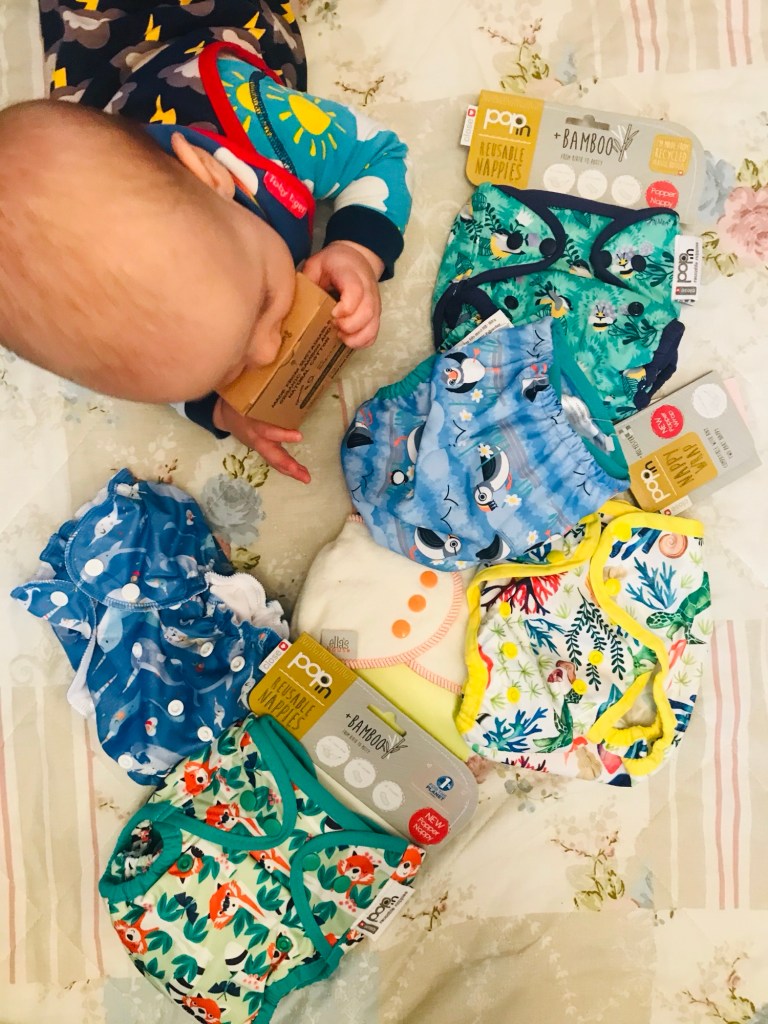
Try different absorbent inserts, known as boosters to add extra absorbency. Microfibre absorb little but fast, while hemp absorbs a lot, slowly. Experiment with a range of cloth inserts and find what works for you. Heavy wetters will need more boosters, but extra inserts can add bulk. My best advice would be to invest in some good quality bamboo or hemp.
Nine
Don’t bother with expensive liners. Buy a cheap fleece blanket and cut it to size. We bought ours second hand for £2 and it’s made more than enough fleece liners to go round. Lots of modern cloth nappies have a fleece layer anyway (especially pocket nappies) so you might be able to skip this step altogether! Of course? You can opt for a disposable liner, but the costs soon add up.
Ten
Save some breast milk for nappy rash. Obviously this only applies if you breastfed at any point, but I’d definitely recommend it if you do. Some nappy creams can damage your nappies – namely the waterproof outer wrap.
Bonus tip
It’s not all or nothing! Maybe you want to stick to reusable nappies at home only, and disposable nappies while you’re out. Maybe you only want a reusable night nappy. Or perhaps you want to use them alongside potty training. The good news is, every time you use a cloth nappy, you’re saving a disposable from landfill. Just one reusable nappy a day saves over 1,000 nappies before your baby is three, and full time use saves over 6,500!
No matter where you are on your cloth nappy journey, the important thing is to find what works for you. While it can feel like a lot of hard work to begin with, once you’re in a solid routine, you’ll never look back.